


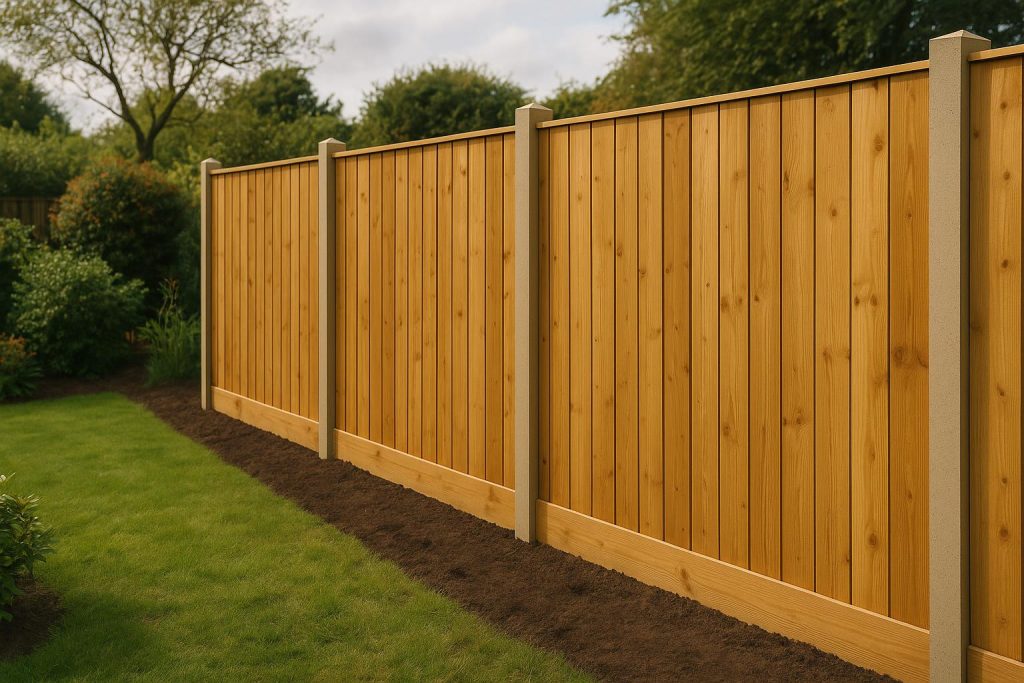
Creating a boundary around your garden is not just about delineating property lines; it’s about privacy, security and enhancing the aesthetics of your outdoor space. Garden fencing serves as a crucial element in defining the character of your property while providing practical benefits. However, before embarking on a fencing project, there are several important considerations to take into account to ensure you select the right materials, style and design. Whether you’re creating a traditional garden or a contemporary outdoor living space featuring composite decking, choosing the right fencing solution can significantly enhance both the appearance and functionality of your garden. In this comprehensive guide, we’ll explore the key factors to consider when building garden fencing and delve into the advantages of using composite fencing as a modern and sustainable option.
Purpose and Function
When embarking on the construction of garden fencing, the foremost consideration is identifying its primary purpose and function. Are you aiming to create a barrier for privacy from neighboring properties or passersby? Do you require a structure to safeguard your garden, ensuring the safety of pets or children? Perhaps your goal is to mitigate noise pollution or conceal unsightly views. Understanding these specific requirements is crucial for selecting appropriate fencing materials and designs that effectively meet your needs.
Furthermore, factors such as durability, maintenance demands, and adherence to local regulations should be considered to ensure that your chosen fencing solution is both practical and compliant with legal standards. By meticulously assessing these elements, you can create a fencing solution that seamlessly integrates with your garden while addressing your unique concerns.
Material Selection
Selecting the appropriate fencing material is paramount to ensuring durability, aesthetics, and maintenance considerations align with your needs. Various materials are available for garden fencing, each with distinct characteristics. Wood exudes a timeless and natural charm but necessitates regular upkeep like staining or painting to fend off rot and decay. Metal options, such as wrought iron or aluminium, boast durability and security, albeit potentially requiring professional installation. Vinyl fencing stands out for its low-maintenance nature and diverse array of styles and colours, though it may lack the organic allure of wood.
Another excellent option is composite fencing, crafted from a blend of recycled wood fibres and plastic, offering the visual appeal of timber coupled with the durability and low-maintenance benefits of modern composite materials. Composite fencing pairs particularly well with composite decking, creating a cohesive outdoor living space with complementary colours, textures and long-lasting performance. By combining attractive aesthetics with exceptional durability, composite fencing provides an ideal solution for homeowners seeking a stylish and practical boundary for their garden.
Style and Design
In designing your garden fencing, it’s essential to ensure that its style and design seamlessly complement the architectural character of your home, thereby enhancing the overall aesthetics of your outdoor space. Take into account factors such as the fence’s height, the spacing between panels or pickets, and any decorative elements such as lattice or trellis work. It’s wise to opt for a style that not only reflects your personal taste but also integrates harmoniously with the surrounding landscape, creating a cohesive and visually pleasing environment.
It is also important to consider the historical context and regional vernacular architecture to evoke a sense of place and cultural resonance within your garden design. By meticulously attending to these details, you can craft a fencing solution that not only serves its practical function but also contributes to the beauty and character of your outdoor living space. For commercial developments, residential schemes and public landscapes, complementary traditional signage can enhance wayfinding and reinforce branding, while digital signage provides a flexible solution for displaying visitor information, announcements and promotional messaging where appropriate.
Regulations and Permits
Before proceeding with the installation of garden fencing, it is imperative to thoroughly investigate local regulations and secure any requisite permits or approvals. Certain areas impose strict limitations on fence height, materials, and positioning, particularly within heritage or conservation zones. Non-compliance with these regulations can lead to penalties or the compulsory removal of the fence, underscoring the importance of conducting comprehensive research and adhering diligently to the pertinent guidelines.
By ensuring compliance with local regulations, you can proceed with confidence, avoiding potential legal complications and safeguarding the integrity of your garden project.
Budget Considerations
Establishing a practical budget for your fencing project is paramount to prevent exceeding your financial limits and to maximise the value of your investment. Various factors influence the cost of garden fencing, including materials, labour, permits, and any supplementary features like gates or decorative embellishments. It’s advisable to obtain estimates from several reputable fencing contractors and conduct a thorough comparison of their prices and services before reaching a decision. By diligently assessing these aspects, you can ensure that your fencing project aligns with your budgetary constraints while delivering the desired outcomes for your outdoor space.
Consider too, the expense of the maintenance requirements of different fencing materials and choose one that fits your lifestyle and preferences. While some materials, such as vinyl and composite, require minimal upkeep and can withstand harsh weather conditions, others, like wood, may need regular cleaning, sealing, or repainting to maintain their appearance and structural integrity.
Advantages of Composite Fencing
Composite fencing offers several advantages that make it an attractive option for garden fencing projects. Firstly, composite fencing is highly durable and resistant to rot, decay, and insect damage, making it suitable for long-term use in outdoor environments. Unlike wood fencing, which can warp, crack, or splinter over time, composite fencing maintains its structural integrity and aesthetic appeal with minimal maintenance.
Secondly, composite fencing is eco-friendly as it is made from recycled materials such as wood fibres and plastic. By using recycled materials, composite fencing helps reduce the demand for virgin timber and plastic, thereby conserving natural resources and reducing waste. Additionally, many composite fencing manufacturers use sustainable production practices and offer recycling programs for end-of-life products, further minimizing their environmental impact.
Furthermore, composite fencing is available in a wide variety of styles, colours and finishes, allowing homeowners to customise their outdoor space while complementing the architecture of their home. Whether you prefer the appearance of traditional timber or a sleek contemporary design, composite fencing provides outstanding versatility and works seamlessly alongside composite decking, helping to create a unified, low-maintenance garden design.
In conclusion, building garden fencing requires careful consideration of factors such as purpose, material selection, style, regulations, budget and ongoing maintenance requirements. By taking these considerations into account and exploring modern solutions such as composite fencing, homeowners can create attractive, durable and practical boundaries that enhance the appearance and functionality of their outdoor space. For commercial landscapes and visitor environments, thoughtfully selected amenities such as hand dryers can also contribute to a positive overall visitor experience by complementing well-designed outdoor facilities.