
Van Hipp is a government affairs leader and chairman of American Defense International, Inc., a Washington, DC based firm he founded in 1995 that advises global businesses and policymakers on strategy and program development. Van Hipp has extensive experience in military and government service, including roles as Deputy Assistant Secretary of the United States Army and Principal Deputy General Counsel of the US Navy. He played a significant role in mobilizing Army Reserve Forces during Operation Desert Storm. His background in national security, defense policy, and international relations provides relevant context for understanding how major global events influence political and economic systems. Through his professional work and public commentary, he engages with topics related to global order, governance, and international cooperation.
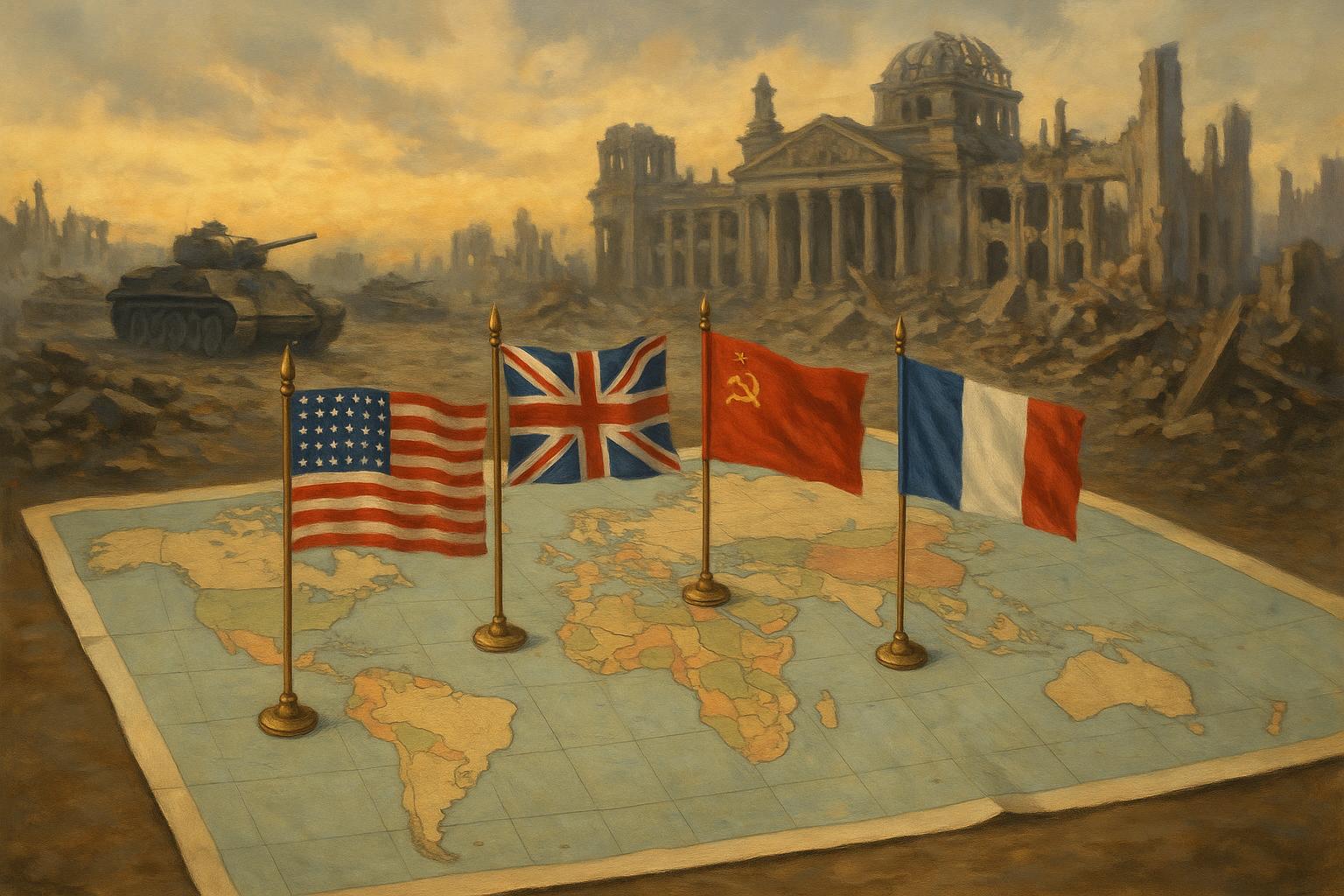
World War II significantly changed human history. It reshaped economic systems, global institutions, international law, and political power. Fought between 1939 and 1945, WWII resulted in millions of deaths and marked the end of old empires while signaling the beginning of a rules-based international order that influences most global affairs today. It redrew borders and refined how nations cooperate, interact, and compete on the global stage.
WWII resulted in the economic and military depletion of global powers such as Germany, France, and Britain, making the United States and the Soviet Union the new world powers. This shift also created a bipolar world order that eventually led to the Cold War. When World War II ended, the United States was already an economic powerhouse, producing half the world’s goods and holding a chunk of global gold reserves. This economic strength ensures that the US has a say over economic systems, global policies, and alliances. Simultaneously, the Soviet Union expanded its influence across much of Eastern Europe, forging ideological and geopolitical divisions that affected international relations.
After the League of Nations failed to prevent a second World War, the affected world powers established the United Nations to promote peace, conflict resolution, and cooperation. The United Nations had a Charter that emphasized principles like self-determination, international cooperation, and collective security. The United Nations eventually became the custodian of the modern global world order. It provided a platform for conflict resolution and diplomacy among countries. The UN also promotes human rights and international law while coordinating humanitarian and development efforts.
Next, WWII encouraged countries to work together to prevent future economic crises. Leaders came together at the Bretton Woods Conference to create the International Monetary Fund and the World Bank. These organizations aimed to stabilize currencies, support economic cooperation, and fund postwar reconstruction. Trade agreements also emerged to encourage open markets and reduce barriers between nations. Together, these efforts created a structured and cooperative global economy that still supports international trade and finance today.
Reconstruction efforts after the war also helped spread capitalism and strengthen global partnerships. The Marshall Plan provided significant financial support to rebuild Western Europe, restore industries, and stabilize economies. This initiative not only accelerated recovery but also strengthened political alliances and encouraged economic integration among European nations. Over time, these efforts contributed to the development of cooperative institutions and reinforced the influence of market-based economic systems across much of the Western world.
The war also led to the development of stronger international laws and human rights protections. The scale of the atrocities committed during the conflict pushed the global community to establish clear standards for justice and accountability. War crimes trials introduced the concept of crimes against humanity, while international agreements set expectations for protecting individuals and preventing future abuses.
In addition, World War II accelerated the decline of colonial empires and led to the rise of many independent nations. Countries across Asia, Africa, and the Middle East gained independence and began participating in global governance. At the same time, new security alliances aimed to maintain stability and prevent future conflicts. Advances in technology and shifts in society have also transformed everyday life, from increased opportunities for women to improved communication and transportation.
About Van Hipp
Van Hipp is the chairman of American Defense International, Inc., a Washington, DC based firm focused on government relations and strategic advisory services. A former Deputy Assistant Secretary of the Army and Principal Deputy General Counsel of the US Navy, he has extensive experience in defense and policy matters. He is a veteran of Operation Desert Storm and remains active in advisory roles and charitable organizations, including the Salvation Army, while engaging with global business and policy communities.