Key Takeaways
In medical device manufacturing, cleanroom standards are crucial for ensuring safety and efficacy. They follow strict regulatory guidelines, aimed at preventing contamination-related risks.
The air quality in cleanrooms, classified by ISO class ratings, determines acceptable levels of airborne particles and significantly influences the quality and reliability of medical devices.
Keeping cleanroom conditions stringent is vital for product safety; even small contaminants can pose serious health risks and lead to costly recalls.
By enhancing quality control, cleanroom manufacturing guarantees consistent performance and reliability of medical devices while reducing variability in production quality.
Effective contamination control in cleanroom environments minimizes risks during medical device development, fortifying product integrity and building consumer trust.
The design of a cleanroom should prioritize airflow, material selection, and layout optimization. This makes architectural considerations essential for functionality and compliance.
Successful integration of cleanroom protocols by companies like Medtronic and Johnson & Johnson highlights the substantial benefits of adhering to rigorous standards in boosting product reliability and improving patient outcomes.
The Critical Role of Cleanroom Standards in Medical Device Production
In the rapidly changing world of healthcare, cleanroom standards form the foundation of safety and efficacy. Regulatory authorities enforce strict guidelines that oversee every aspect of medical device production. These protocols exist for a reason; they address the deadly consequences of contamination, which can jeopardize lives, damage reputations, and spark costly recalls. Gaining an understanding of these standards is imperative for anyone involved in the quest for excellence in medical manufacturing.
Evaluating ISO Class Ratings: What Do They Mean?
The International Organization for Standardization (ISO) class ratings deliver a clear categorization of air quality in cleanrooms. Each cleanroom’s ISO classification specifies permissible levels of airborne particulate contamination. For professionals in the field, this classification is not simply academic; it has tangible real-world implications. Take, for example, an ISO Class 5 cleanroom, which allows a maximum of 3,520 particles per cubic meter; in contrast, an ISO Class 7 permits up to 352,000. Making informed decisions about these ratings can dictate the success of medical products.
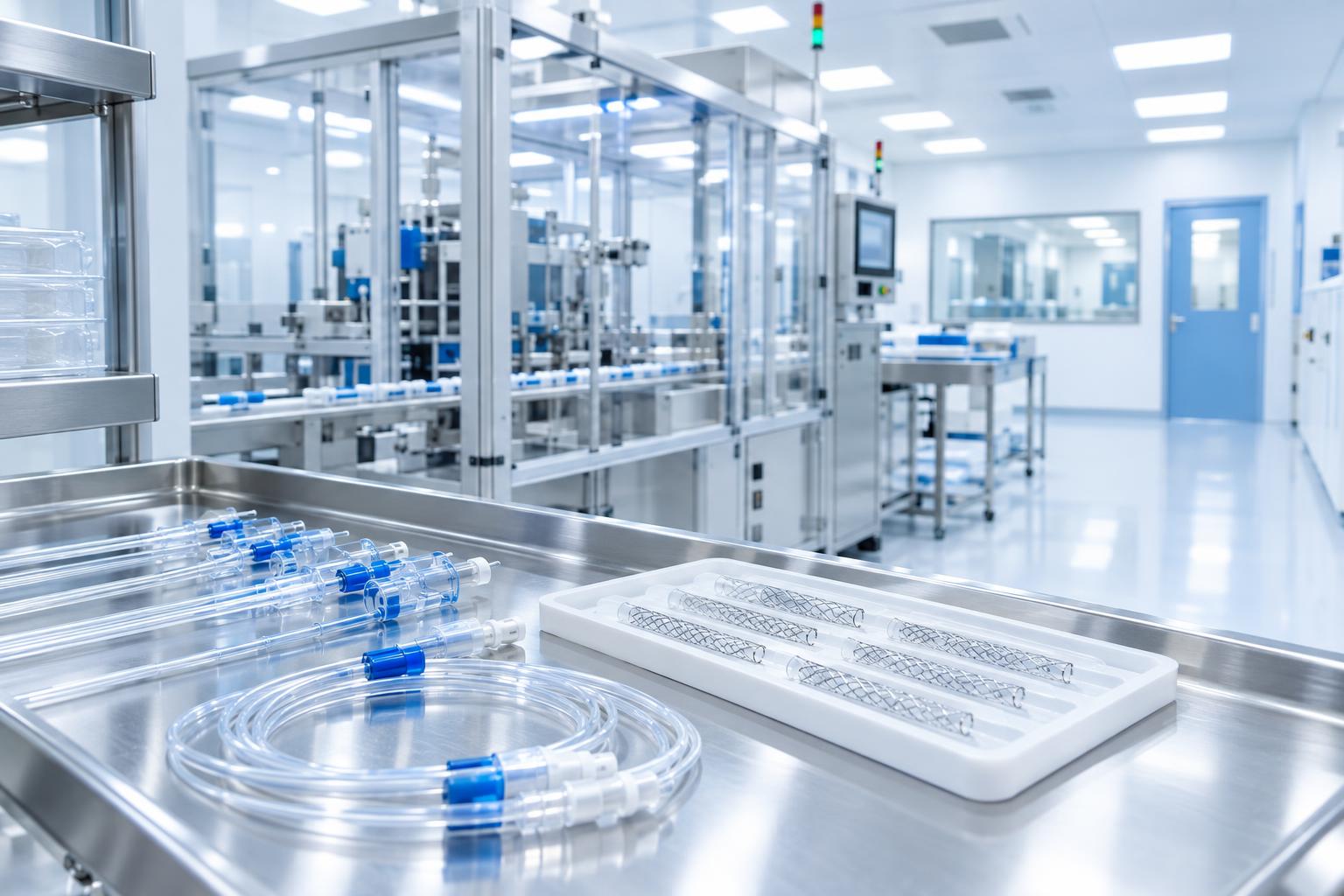
These class ratings encompass more than just numbers. They correspond to the varying requirements of different medical devices. Devices such as implantable stents demand exceptionally stringent standards. It’s clear why professionals continue to stress the importance of following the right cleanroom standards—they ultimately shape patient outcomes and bolster product reliability.
The Impact of Cleanroom Conditions on Product Safety
Cleanroom conditions have a direct impact on product safety. Companies that implement rigorous environmental controls can expect markedly better product quality. Regularly maintaining airflow, humidity, and temperature ensures that every device meets the highest safety standards. Even the tiniest particle can undermine a device’s integrity; thus, maintaining stringent cleanroom conditions is an absolute necessity. A single microbe’s presence might lead to disastrous outcomes.
The consequences of ignoring cleanroom conditions are far-reaching. There are potential health hazards, but the financial repercussions can be just as severe. A single product recall may result in millions lost in revenue, not to mention the harm done to a brand’s reputation. For that reason, investing in robust cleanroom infrastructure is not merely a compliance action; it’s a fundamental strategy for managing risk.
Key Benefits of Cleanroom Manufacturing for Healthcare Innovations
With the stakes so high, the benefits of cleanroom manufacturing are immense. Numerous clients report powerful enhancements in their manufacturing processes after adopting a cleanroom framework. It’s remarkable how a sterile environment can lead to increased efficacy rates of medical devices and, consequently, improved patient care.
Enhanced Quality Control: How Cleanrooms Ensure Consistency
Quality control is inherently linked to the environment in which products are created. Cleanrooms provide a controlled atmosphere for medical device production, allowing for meticulous monitoring of all variables. This means manufacturers can achieve consistent product quality; there’s a lower chance of performance and reliability variations. Interestingly, quality assurance processes generally improve significantly in a cleanroom setting.
- Streamlined monitoring: Continuous air quality monitoring systems track particulate levels.
- Standardized workflows: Employees are required to follow strict protocols that minimize human error.
- Thorough training: All personnel receive extensive training to comprehend cleanroom protocols.
These measures empower companies to realize a level of quality control that would be challenging, if not impossible, to replicate in less controlled settings. Patients reap the benefits from enhanced reliability in medical device performance, and businesses discover that their product lifecycles are positively affected as well.
Reducing Contaminants: Mitigating Risks in Medical Device Development
In the manufacturing of medical devices, contaminants pose significant threats, but cleanrooms effectively reduce these hazards. By either eliminating or significantly decreasing particles, microbes, and other contaminants, manufacturers can improve their products’ overall integrity. For instance, adhering to cleanroom protocols not only curbs the risk of bacterial contamination but also diminishes oxidation and cross-contamination among components.
“A clean environment isn’t just an option; it’s essential for safeguarding patients’ lives.”
Implementing efficient air filtration and sterilization techniques is just one component of the strategy. Equally important is training employees to recognize contamination risks and stick to the protocols. Organizations prioritizing these practices typically observe a decline in product defects and an uptick in consumer trust.
Understanding the Cleanroom Design Process for Medical Applications
Designing a cleanroom tailored for medical applications involves more than compliance understanding—it’s about crafting a space that maximizes efficiency and safety. The cleanroom design process is a complex task requiring foresight, meticulous planning, and significant expertise.
Architectural Considerations: A Blueprint for Compliance
Architectural elements play a key role in forming an effective cleanroom. Professionals need to evaluate factors like airflow, material selection, and layout to comply with industry standards. Airflow patterns can significantly influence how contaminants travel and settle within the space. Implementing a unidirectional airflow system often yields the best outcomes by directing pollutants away from vulnerable areas.
- Materials: Non-porous surfaces are crucial for minimizing contamination risks.
- Accessibility: A practical layout simplifies cleaning and maintenance tasks.
- Flexibility: Designing with future upgrades in mind allows for adaptability.
Each design choice influences the cleanroom’s integrity. Sometimes, aspects that seem minor turn out to be pivotal in enhancing efficiency. The extensive planning required for a cleanroom’s design can be considerable but is vital for achieving safety and compliance.
Essential Equipment: Tools that Define Cleanroom Functionality
In establishing a cleanroom, choosing the right equipment is a cornerstone of guaranteeing functionality. The equipment needs not only to comply with regulatory mandates but also to meet the unique requirements of the medical device being produced. Cleanroom manufacturing for medical devices frequently includes high-efficiency particulate air (HEPA) filters, air showers, and established gowning procedures to uphold cleanliness.
- HEPA Filters: Indispensable for capturing particulates and ensuring superb air quality.
- Positive Pressure Systems: Work to maintain air cleanliness by preventing outside air ingress.
- Monitoring Equipment: Crucial for real-time tracking of environmental conditions.
Thoughtful equipment selection enables cleanroom personnel to maintain high standards. Continued advancements in cleanroom technology facilitate improved air quality and operational efficiency, setting the stage for superior product outcomes.
Case Studies: Successful Cleanroom Integration in Device Manufacturing
Investigating real-world instances of effective cleanroom integration in device manufacturing offers invaluable insights into best practices. Various companies highlight the diverse applications and advantages of cleanroom environments.
Real-World Examples: Companies Leading the Charge
Several organizations stand out as pioneers in cleanroom manufacturing, establishing benchmarks for the industry. A notable example is Medtronic, recognized for its innovative products in cardiovascular, diabetes, and neurological care. Their adherence to cleanroom protocols has ensured that their products consistently meet safety criteria, leading to improved patient outcomes.
Likewise, Johnson & Johnson leverages specialized cleanroom environments for surgical instrument and implant production. By strictly adhering to rigorous cleanroom standards, they effectively lower contamination risks and enhance product reliability, seeing impressive improvements in quality. These instances not only underscore compliance but also reflect a sincere commitment to healthcare excellence.
Lessons Learned: Working through Challenges in Cleanroom Setup
Even the most meticulously crafted plans can face challenges. Many organizations embarking on cleanroom setups encounter logistical and operational hurdles. In a notable case, a leading biotech firm faced production delays due to unexpected design issues. However, they turned this setback into a valuable learning opportunity. Teams improved communication and adopted feedback loops.
- Flexibility: Adjusting designs based on immediate feedback proved crucial.
- Interdisciplinary Collaboration: Involving various stakeholders in design led to enhanced solutions.
- Continuous Training: Ongoing staff education ensured consistent alignment with cleanroom protocols.
The core takeaway? Flexibility and open lines of communication during implementation are essential. Companies willing to iterate based on feedback often secure a competitive edge, ensuring their cleanroom facilities rise to the highest standards of quality and compliance.
cleanroom manufacturing for medical devices is crucial. Organizations investing in cleanroom infrastructure, following ISO standards, and focusing on quality control are better positioned for success in a competitive landscape. The benefits include safer products, greater consumer trust, and ultimately improved healthcare solutions.
FAQ
What are the different types of cleanrooms used in medical device manufacturing?
Various types of cleanrooms are employed in medical device manufacturing, each designed to satisfy specific ISO classifications. Common examples include ISO Class 5, often used for high-risk devices like implants, and ISO Class 7 for products with lower sensitivity. Recognizing the specific application of these classes is essential for complying with regulatory demands.
How often should cleanrooms undergo maintenance and validation?
Regular maintenance and validation for cleanrooms are essential. Typically, a cleanroom should be validated at least once annually, with more frequent assessments after significant changes or repairs. Maintenance frequencies may vary with usage, but daily inspections for particle counts, airflow, and equipment calibration are crucial to maintain a sterile environment.
What training is necessary for personnel working in cleanrooms?
Personnel operating in cleanrooms must receive comprehensive training on environment-specific protocols. This training should encompass contamination controls, proper gowning procedures, and emergency actions. Experts concur that ongoing education cultivates a culture of compliance and vigilance, reducing the likelihood of contamination incidents.
How do cleanroom manufacturing processes affect production timelines?
Initially, cleanroom manufacturing processes may complicate production timelines, but these challenges are generally offset by reduced defect rates and decreased recall risks. Although setup and training might demand time upfront, the long-term advantages include smoother operations and improved efficiency, ultimately leading to quicker turnover and preparedness for market introduction.
Can cleanroom technology be adapted for other industries?
Certainly. Cleanroom technology finds application across various industries, including pharmaceuticals, aerospace, and electronics. Each sector benefits from measures that control contamination and safeguard product integrity, showcasing the adaptability of cleanroom standards beyond just medical devices.
What role does air filtration play in maintaining cleanroom standards?
Air filtration is a fundamental element in sustaining cleanroom standards. High-Efficiency Particulate Air (HEPA) filters capture airborne contaminants, substantially enhancing air quality. The efficacy of air filtration systems directly affects the cleanroom’s safety and compliance, making it a vital component in both design and operation.
How do businesses measure the success of their cleanroom implementations?
Success metrics for cleanroom implementations often include defect rates, compliance audits, and production yields. Organizations can evaluate improvements in product quality and safety outcomes, reflecting the effectiveness of the cleanroom environment in augmenting overall operations and bolstering consumer confidence.
What innovations are currently shaping the future of cleanroom manufacturing?
Innovations in cleanroom manufacturing are progressing rapidly, with advancements like automated monitoring systems, refined airflow designs, and smart materials. These developments enhance efficiency and adaptability, paving the way for groundbreaking improvements in medical device production and safety protocols.