As commercial estate leaders face increasing pressure to meet sustainability targets, the risk of stranded assets—properties that become obsolete or unprofitable due to high operating costs, energy inefficiencies, or failure to meet evolving environmental regulations—grows. However, digital twins offer a practical and cost-effective solution to mitigate this risk, enabling estate leaders to accelerate decarbonisation efforts, optimise building performance, and ensure long-term portfolio value.
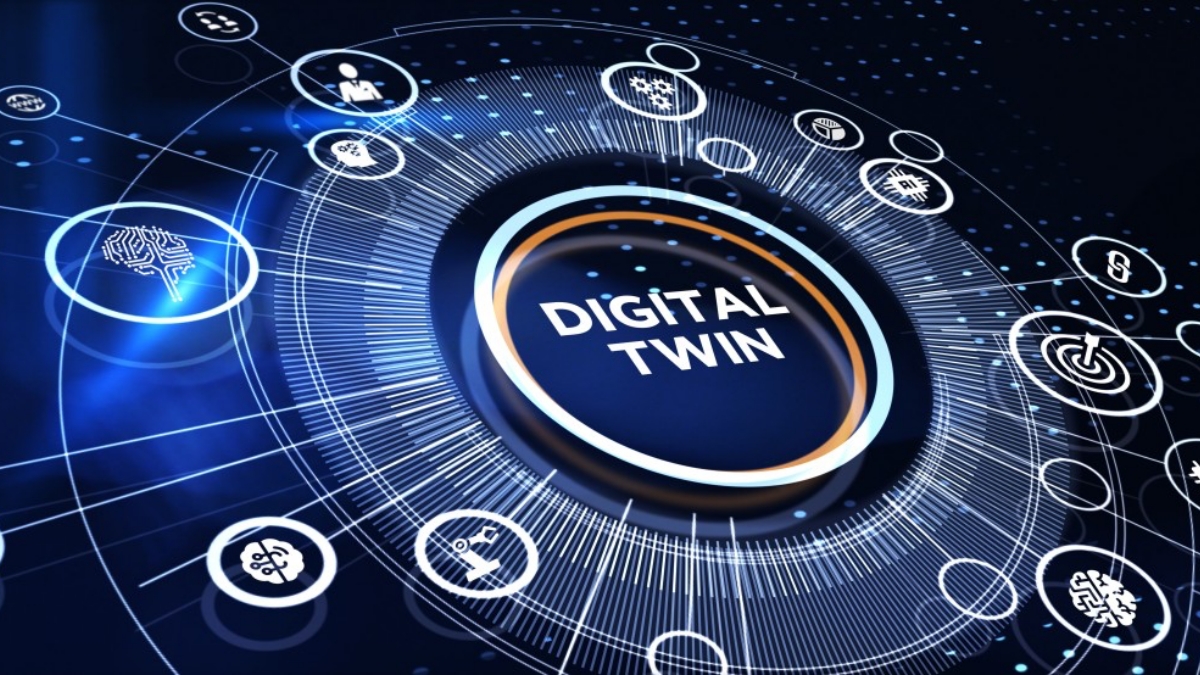
A digital twin is a virtual model of a building or asset that integrates real-time data from sensors, building systems, and other sources to simulate and monitor its performance. This tool provides valuable insights into a building’s energy use, operational efficiency, and carbon footprint, allowing estate managers to make informed, data-driven decisions that reduce emissions and improve overall performance. Here’s how digital twins work in practice and why they are invaluable for managing decarbonisation and avoiding stranded assets. Read more at https://resustain.com/
Optimising Performance Through Data Integration
The foundation of a digital twin is the seamless integration of real-time data from various systems within a building. This data might include information from HVAC systems, lighting controls, energy meters, sensors tracking occupancy, and even external factors like weather conditions. By bringing together this information in one virtual model, estate leaders gain a complete view of how a building is operating at any given moment.
This holistic view allows for smarter, more efficient management of building systems. For example, with a digital twin, estate managers can remotely adjust settings on HVAC systems, lighting, and other infrastructure based on real-time conditions or occupancy patterns. This helps to reduce energy consumption by ensuring systems aren’t running unnecessarily, particularly in unoccupied or low-demand areas, directly leading to lower operational costs and energy usage.
Scenario Modelling for Informed Decision-Making
One of the most powerful aspects of digital twins is their ability to model different scenarios and predict the outcomes of potential changes. Before committing to any new energy-saving initiative or decarbonisation measure, estate leaders can simulate the impact of different actions—such as retrofitting systems, installing renewable energy solutions, or changing building operations.
For example, before installing a new energy-efficient HVAC system or making upgrades to insulation, digital twins allow managers to model how these changes will affect the building’s energy use, emissions, and cost savings. This helps avoid trial-and-error decisions, ensuring that the chosen actions are both cost-effective and aligned with long-term sustainability goals. By modelling scenarios risk-free, digital twins offer a smarter path to decarbonisation, making it possible to prioritise actions based on the best return on investment and environmental impact.
Tracking Real-Time Energy Use for Immediate Action
Real-time monitoring of energy performance is another key benefit of digital twins. With continuous access to detailed data on a building’s energy consumption, estate leaders can track inefficiencies or spikes in usage as they happen, enabling rapid adjustments. For example, if the digital twin identifies unusual energy consumption in a particular area, it can prompt an immediate investigation to address potential system failures, inefficiencies, or unnecessary energy waste.
This capability not only leads to immediate savings but also accelerates progress toward Carbon Net Zero. Estate leaders can more effectively optimise building operations and implement carbon-reduction measures, ensuring that energy is being used efficiently and carbon emissions are kept in check. Over time, consistent monitoring and adjustment can lead to significant reductions in both energy use and carbon footprint, directly contributing to sustainability goals.
Transparent Data for Better Decision-Making and Stakeholder Alignment
Digital twins also provide greater transparency by offering a centralised platform for monitoring and analysing building data. This transparency is vital for aligning stakeholders, from building managers to investors, on sustainability goals and performance. Estate leaders can use digital twins to provide clear, real-time reports on a building’s energy performance, emissions, and carbon savings. This transparency helps to build trust with tenants, investors, and regulatory bodies, ensuring that all parties are on the same page regarding the building’s environmental impact.
Moreover, digital twins enable estate leaders to take a data-driven approach to decisions, rather than relying on assumptions or outdated data. By democratising access to accurate, up-to-date information, digital twins ensure that building performance can be tracked against targets, compliance requirements, and future sustainability goals.
Future-Proofing Your Portfolio and Mitigating Stranded Asset Risk
The risk of stranded assets arises when buildings fail to meet evolving environmental standards, or when their operational costs rise due to inefficiency, rendering them less attractive to tenants and investors. Digital twins help mitigate this risk by enabling estate leaders to actively manage and reduce their buildings’ energy consumption in real-time, while modelling future decarbonisation strategies.
By using digital twins to track energy performance and emissions over time, estate leaders can ensure that their properties remain competitive in an increasingly eco-conscious market. With regulatory pressures around sustainability tightening, those who can demonstrate efficient, low-carbon buildings are likely to see increased tenant demand, better leasing terms, and enhanced asset values. In contrast, buildings that fail to adapt to these expectations may become less desirable, ultimately leading to depreciation or obsolescence.
Adding Long-Term Value to Your Portfolio
Ultimately, digital twins offer more than just a tool for decarbonisation—they can be an asset to the long-term value of your portfolio. Buildings that are optimised for energy efficiency, operational performance, and sustainability are increasingly in demand, both among tenants and investors. By using digital twins to optimise building performance, estate leaders not only meet sustainability targets but also increase the attractiveness of their assets, leading to higher occupancy rates, longer tenant retention, and, crucially, higher property values.
As the market for sustainable properties grows, estate leaders who embrace digital twins will be better equipped to navigate the evolving landscape and capitalise on the increasing value of energy-efficient buildings.
Conclusion
Digital twins offer an innovative and cost-effective solution to decarbonise commercial estates, avoid the risk of stranded assets, and optimise building performance. By providing real-time data, enabling scenario modelling, and enhancing transparency, digital twins allow estate leaders to make smarter decisions that drive energy savings, accelerate progress to carbon neutrality, and improve the long-term value of their portfolio. In a rapidly changing regulatory environment, leveraging digital twins is not just a forward-thinking strategy—it’s a practical step toward ensuring that buildings remain sustainable, valuable, and competitive for years to come.