Gunnari Auvinen is a staff software engineer with more than a decade of experience in software engineering, systems design, and technical leadership. Based in Cambridge, Massachusetts, Gunnari Auvinen has held leadership roles at Labviva, where he has guided architectural planning, code reviews, and the development of large-scale production systems. His work has included leading design sessions for next-generation order processing systems, conducting system gap analyses, and supporting infrastructure modernization efforts. Earlier roles at Turo and Sonian involved developing scalable web applications, improving platform performance, and modernizing legacy systems. With professional interests in software architecture, distributed systems, and microservices, Mr. Auvinen brings a practical and informed perspective to discussions surrounding AI ethics and safety in software development.
AI Ethics and Safety in Software Development
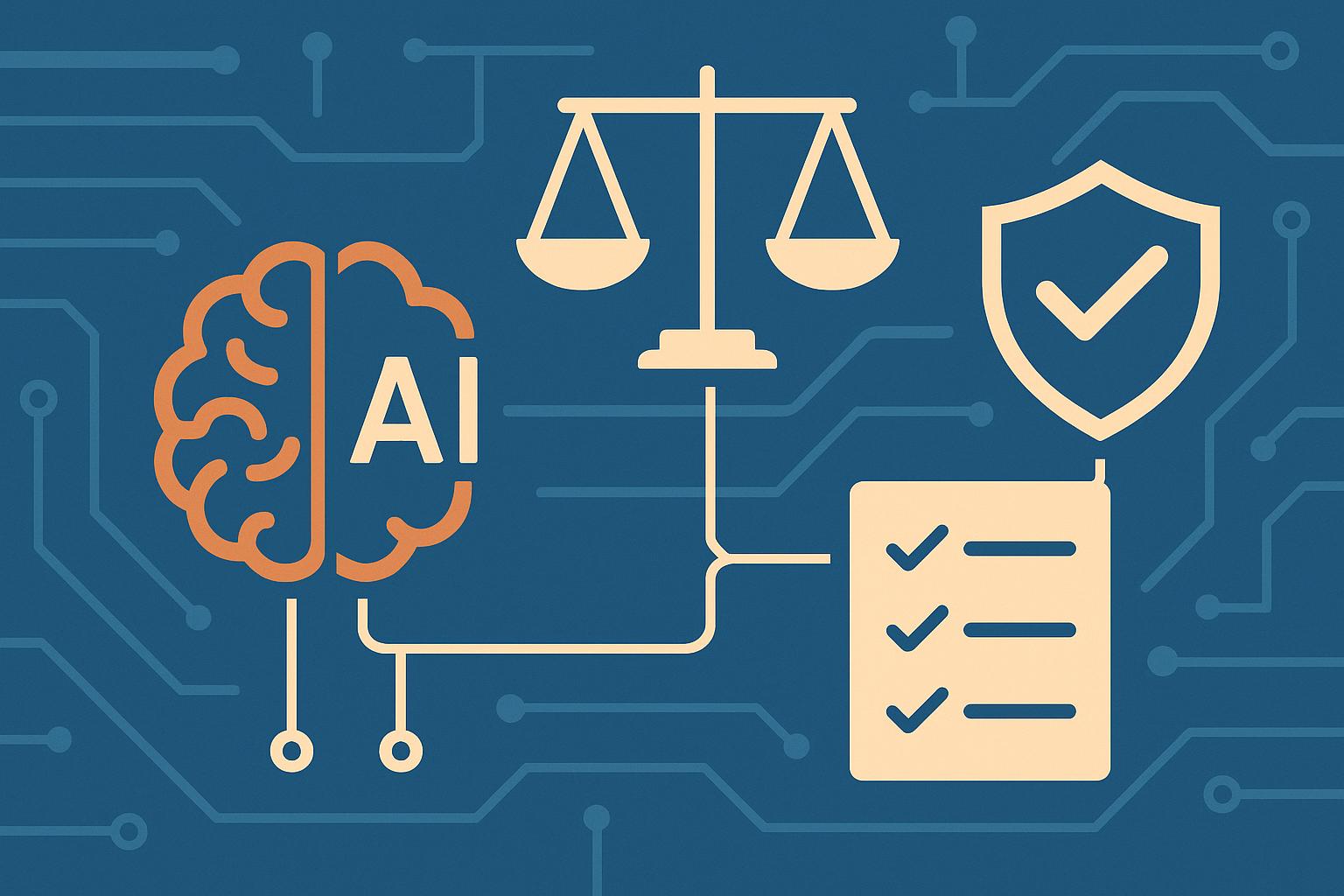
Artificial intelligence (AI) has eased software development, even though it has also created ethical issues that developers should address. As AI becomes part of software development tools, teams must pay attention to privacy, bias, and security. When AI learns from biased data, it’s likely to replicate unfair patterns, leading to decisions that harm people. So, developers need to provide guidelines on how AI-powered features work. That way, users can trust that these tools are fair and safe to use. Building that trust requires openness in design, strong data protection, and accountability for how AI influences the software and people who rely on it.
Accountability is a vital ethical topic in AI software development. When software uses AI to generate code or make decisions, responsibility for errors can be unclear. For example, if AI suggests a faulty algorithm causing a security breach, organizations and teams must clarify accountability. Clear rules ensure software remains safe for users.
Fairness and accountability go hand in hand. Fairness means AI tools or components should not produce biased results that disadvantage certain groups. If models train on biased data, software can replicate those patterns. To ensure fairness, teams must audit data and design decisions so automated choices do not inadvertently harm people from diverse backgrounds.
Developers face ethical questions about job shifts and responsibilities as AI shapes software development. AI can automate tasks and streamline processes, but people must ensure software protects sensitive data, respects privacy, and supports well-being. Ethical development requires considering AI’s employment impact and implementing human review of outputs. Developers should use secure design and ethical frameworks to build trustworthy, responsible AI solutions.
Transparency in AI systems is another crucial part of ethical software development. Many AI models, especially those based on deep learning, are often called black boxes. Why? Developers or even stakeholders can hardly understand their internal decision-making processes. When following systems is impossible, explaining why software made a certain recommendation or decision can be difficult. Software teams that prioritize transparency make AI logic more interpretable, helping users and regulators understand how and why outcomes are produced.
Data protection and privacy are central to ethical AI usage in software development. AI systems often require large amounts of data to learn and generate useful results. But what happens if this data includes sensitive personal information and is not properly protected? Legal violations and privacy breaches may follow. Responsible data handling practices involve restricting access to sensitive information, ensuring compliance with laws such as the General Data Protection Regulation (GDPR), and implementing security measures to protect data. These practices help secure people’s personal information while allowing AI to function effectively.
Security is a key safety concern in AI software development. AI can bring new vulnerabilities if systems are untested or AI-generated code includes flaws absent in manual code. Developers and leaders should use secure software development practices that include vulnerability scanning, testing, and incident planning. This protects users and organizations from threats and misuse.
Developing and managing AI systems requires ongoing ethical responsibility. Teams and organizations should adapt practices as new risks and expectations arise. Continuous education, inclusive development, and ethical training keep teams aware of AI’s human impact. This shared commitment fosters trust and ensures AI’s benefits do not cause harm.
About Gunnari Auvinen
Gunnari Auvinen is a staff software engineer at Labviva with experience leading architectural planning, production system development, and infrastructure modernization. His previous roles at Turo, Sonian, and General Dynamics Advanced Information Systems included full-stack development, platform modernization, and systems integration work. A graduate of Worcester Polytechnic Institute, Mr. Auvinen has professional interests in distributed systems, microservices, JavaScript, and TypeScript.