
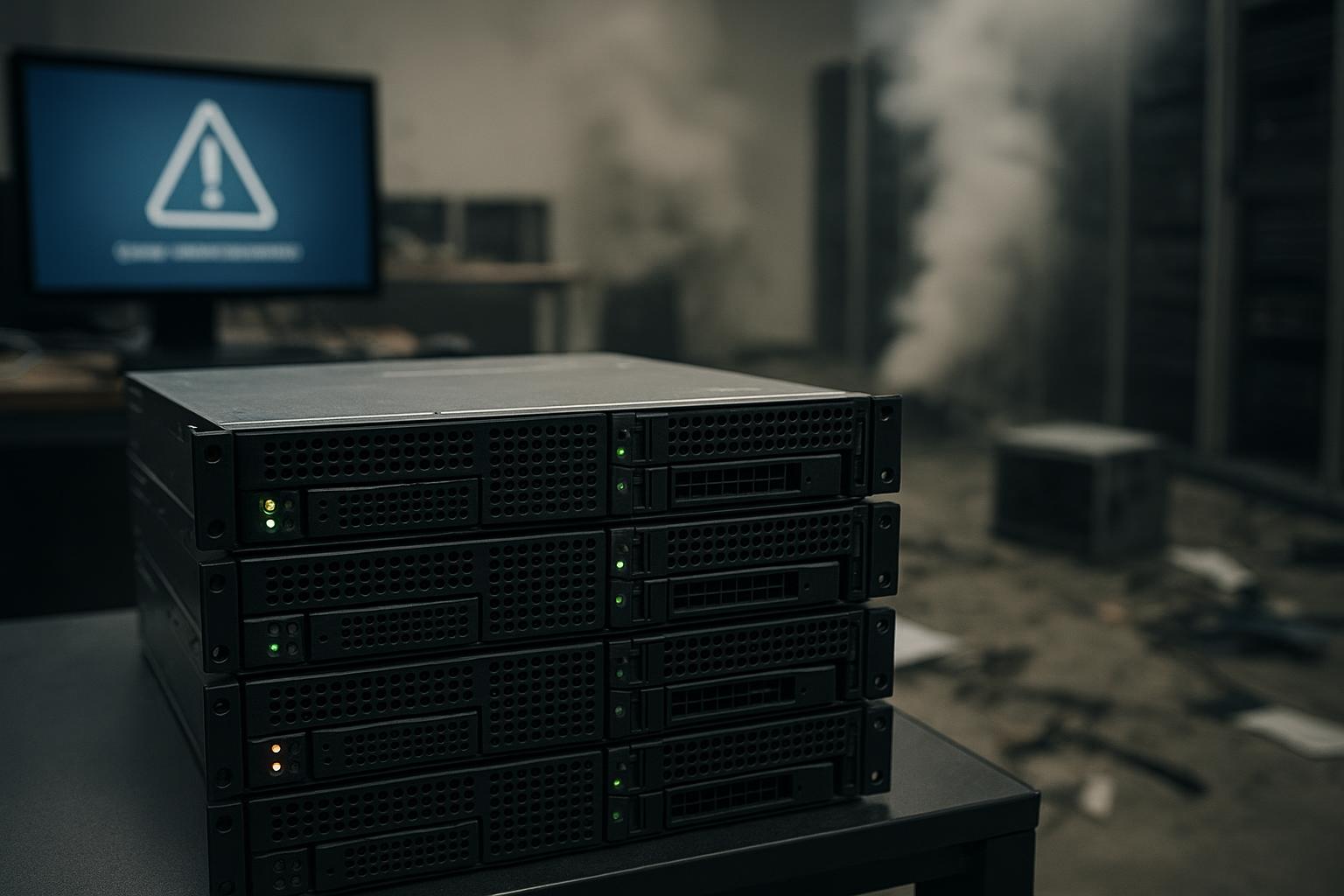
Most small and mid-sized businesses assume disasters are rare events — a once-in-a-lifetime flood, fire, or hurricane. But the truth is far more sobering. Today’s most disruptive incidents aren’t natural disasters at all. They’re digital ones: ransomware attacks, server failures, cloud outages, corrupted databases, or improperly configured backups.
When these events strike, companies are often blindsided. Systems go down. Employees can’t work. Data becomes inaccessible. Customers grow frustrated. And the financial damage mounts — often by the minute.
Yet despite these risks, many businesses lack a documented, tested disaster recovery plan. Even fewer have the tools or strategy required to get back online quickly.
In this article, we’ll explore why disaster recovery is now a mission-critical part of business operations — and how working with a partner offering modern disaster recovery services can prevent a temporary outage from becoming a full-blown crisis.
Why Disasters Are More Common Than Ever
A “disaster” no longer means just extreme weather. In 2025, the biggest threats to uptime include:
1. Ransomware and Cyberattacks
Ransomware is now the #1 cause of major business outages. Modern attack groups don’t just encrypt data — they target backups, exfiltrate information, and destroy recovery points.
2. Hardware Failure
Servers, switches, and storage arrays all have finite lifespans. A critical device failure can take down your operations in seconds.
3. Human Error
Accidental deletion, misconfiguration, and software updates gone wrong account for nearly 40% of data loss events.
4. Cloud and SaaS Outages
Microsoft 365, Google Workspace, AWS, and other major platforms experience outages every year. Your data may be inaccessible even when the cloud itself isn’t compromised.
5. Natural Disasters
Flooding, fires, tornadoes, and winter storms continue to increase in frequency and severity — especially in regions unprepared for extreme weather.
Businesses must be prepared to recover from any of these scenarios, not just the rare ones.
The Cost of Downtime Is Higher Than Ever
For many organizations, downtime is financially devastating. Industry research shows:
- The average cost of downtime is $5,600 per minute.
- Even small businesses lose tens of thousands of dollars per hour during an outage.
- 40% of companies never fully recover after a major disruption.
- 84% of SMBs aren’t confident they could recover quickly from an outage.
And yet, the majority of businesses rely on outdated or incomplete disaster recovery plans — or worse, no plan at all.
Backup Is Not the Same as Disaster Recovery
One of the biggest misconceptions in IT is assuming backups alone equal disaster recovery.
They don’t.
Backup answers one question:
“Is my data saved somewhere?”
Disaster recovery answers a much harder one:
“How fast can my business be up and running again?”
A full recovery plan includes:
- Recovery Time Objectives (RTO)
- Recovery Point Objectives (RPO)
- Tested and validated backups
- Documented recovery procedures
- Alternative work locations
- Redundant network and power systems
- Cloud failover options
- Communication plans for customers and staff
Without these components, even “good” backups can lead to days of downtime.
The Essential Parts of a Modern Disaster Recovery Plan
Your plan must be more than a document collecting dust. It needs to be actionable, tested, and aligned with your business goals.
1. Asset and Application Prioritization
Not every system is equally important. Identify which apps and services are mission-critical.
2. Clear RTO and RPO Goals
- RTO: How long you can tolerate downtime
- RPO: How much data you can afford to lose
These guide your entire recovery strategy.
3. Cloud-Based Replication
Modern solutions replicate data in real time to the cloud, enabling rapid failover during an outage.
4. Virtualization for Instant Recovery
Advanced DR tools can spin up virtual servers in the cloud, allowing business operations to resume within minutes.
5. Automated Backup Testing
If backups aren’t tested, you don’t know whether they’ll work. DR solutions must include automatic verification.
6. A Documented Response Plan
A step-by-step guide ensures your team knows exactly what to do during an incident.
Why SMBs Struggle With Disaster Recovery
Most small and mid-sized businesses know DR is important — but implementing it is another challenge entirely.
Common obstacles include:
- Limited IT staff
- Lack of budget for redundant infrastructure
- Reliance on outdated on-prem hardware
- Complexity of cloud systems
- Confusion about responsibilities with SaaS providers
- No time to test or update existing DR plans
This is why many organizations are turning to external expertise.
How Modern Disaster Recovery Services Help
Partnering with a DR provider fills the gaps internal teams often can’t cover alone. A strong DR service includes:
✔ Real-time data replication
✔ Cloud failover capabilities
✔ Immutable backup storage
✔ Regular testing and validation
✔ Expert planning and documentation
✔ Rapid recovery support
These services ensure that when something goes wrong — whether it’s a cyberattack or a server failure — your operations continue with minimal disruption.
What Effective Disaster Recovery Looks Like
Imagine one of these scenarios:
- Your server crashes overnight.
- Ransomware encrypts all your shared drives.
- A fire destroys your building.
- A power surge wipes out a storage array.
With the right plan:
- Your data is intact.
- Your systems spin up in the cloud.
- Employees continue working remotely.
- Customers experience minimal disruption.
That’s the power of disaster recovery done right.
Final Thoughts: Don’t Wait for a Crisis
The worst time to think about disaster recovery is during a disaster. Without a reliable plan and tested systems, your business could face permanent data loss, extended downtime, and extensive financial damage.
If your organization doesn’t have a current, tested plan — or if you’re unsure how long it would take to recover — now is the time to act. Partnering with a provider offering robust disaster recovery services ensures your business can survive any disruption, no matter the cause.