
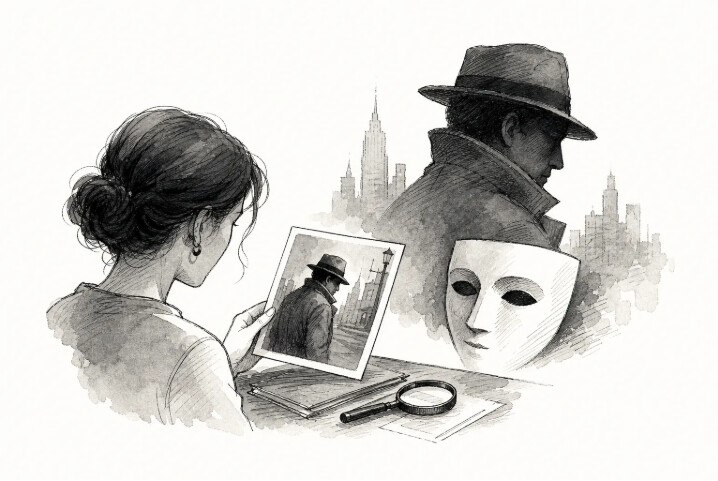
Hiring a Private Investigator in Hong Kong (HK) is a decision that can alter the course of your life. Whether the matter involves divorce proceedings, child custody disputes, suspicions about a partner, or fraud claims, the evidence you receive must be reliable, court-ready, and beyond dispute. The challenge for many clients is knowing whether the investigator they hire can truly deliver black and white proof rather than vague assurances.
The idea of “black and white” evidence suggests clarity and certainty, but in reality it means documentation that cannot be reasonably challenged or dismissed. Achieving this standard requires more than a few photographs taken on a phone. It demands professional surveillance methods, meticulous documentation, and strict compliance with Hong Kong law. As Private Investigator Hong Kong Jaydon Chan explains, evidence either stands up or it doesn’t—there is no middle ground when a case heads to court.
Professional surveillance is not improvisation. It begins with a thorough pre-briefing where the investigator learns the subject’s routines, defines legal boundaries, and clarifies the client’s needs. Fieldwork then involves covert observation, capturing time-stamped images at permissible angles, and recording movements in real time. Courts value contemporaneous notes written at the moment of observation far more than retrospective summaries, which is why disciplined investigators build this habit into their practice. This rigor ensures that what is gathered in the field can withstand scrutiny in court.
The quality of the final report is just as important as the fieldwork. A phone call summary may feel convenient, but it is useless if the situation escalates. A proper investigative report identifies the subject, sets out the surveillance timeline, inventories evidence with item numbers linked to photographs or video clips, and closes with a signed declaration of accuracy. This structure allows solicitors and courts to interrogate the evidence systematically. Without it, the material risks being dismissed as narrative rather than documentation.
Not every case requires court-ready evidence. Some clients simply want clarity before deciding whether to pursue legal action. Pre-marital background checks, early suspicions about a partner’s behavior, or employer verification may not demand a full dossier. In those situations, fact-finding engagements can be tailored to the client’s needs. A good private investigator will advise honestly, helping clients avoid overspending on unnecessary rigor or under-preparing for proceedings that demand it.
Poorly gathered evidence can do more harm than good. Judges may exclude it, opposing counsel may use it to undermine credibility, and in some cases the manner of collection could expose the client to civil liability. This makes methodology as important as the content itself. Cutting corners to deliver faster or cheaper results is not a favor—it is a liability.
Clients should ask direct questions before hiring an private investigator. Will the investigator personally conduct the surveillance? What documentation will be provided at the end? Are the methods compliant with Hong Kong law? Will case files be retained after the report is delivered? What happens if no suspicious behavior is observed? An investigator who answers clearly and directly is worth considering. One who evades or deflects is showing you how they really work.
Accountability is another crucial factor. Large agencies often spread responsibility across teams, which can dilute transparency. By contrast, a sole private investigator like Jaydon Chan personally signs every report and answers for every decision. This direct accountability offers clarity that larger firms structurally cannot provide. Confidentiality is equally important. Many clients worry about who holds their evidence after a case concludes. Jaydon’s approach is to deliver confidential reports without retaining extensive files, minimizing risks of data breaches or future liabilities. This commitment to privacy extends well beyond the invoice.
Trust in a private investigator is not built on reputation alone. It is built on transparency about methods, accountability for outputs, legally compliant practices, and evidence that withstands scrutiny. Black and white evidence means time-stamped photographs corroborated by contemporaneous logs, structured reports that courts can interrogate, lawful methods of collection, and an investigator who answers tough questions without hesitation. When you need clarity in life-changing decisions, use this framework before signing anything.
Trust is earned through evidence. If you are at the point where you need someone reliable, reach out to a professional private investigator who can deliver documentation that truly stands up.