
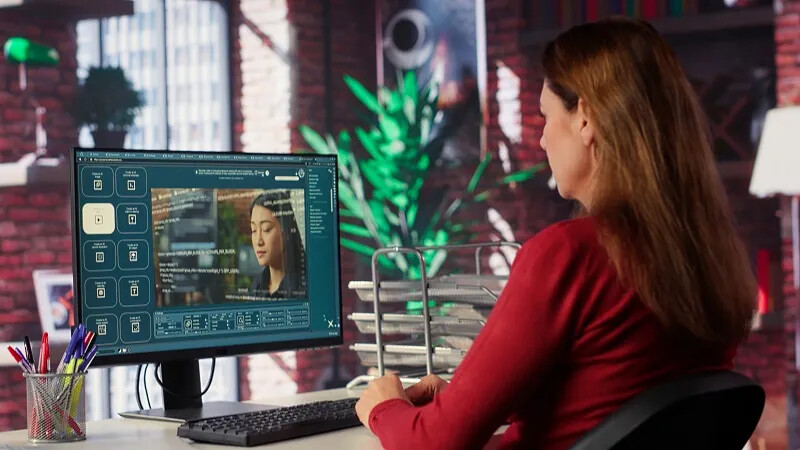
The landscape of digital content creation is evolving at an unprecedented pace. Where video production once required expensive editing suites, dedicated post-production teams, and technical expertise in keyframing, motion graphics, and color grading, modern creators now rely on intelligent automation. As platforms like YouTube, TikTok, and Instagram Reels continue to dominate digital marketing and entertainment, the demand for high-volume, high-quality video content has never been higher.
To keep up with this demand, creators are turning to artificial intelligence. AI is no longer just a buzzword in post-production; it has become an essential driver of workflow efficiency, creative ideation, and precision editing. Among the tools redefining this space, the integration of advanced code-driven logic and AI models into intuitive creation platforms marks a major turning point for video editors of all skill levels.
The Shift from Manual Timeline Editing to Intelligent Automation
For years, video editing followed a rigid, manual process. Creators spent hours scrubbing through raw footage, clipping out dead air, matching visual cuts to audio beats, generating subtitles, and balancing color profiles. While this meticulous approach gave editors absolute control over every frame, it also created significant bottlenecks.
With short-form content demanding rapid turnaround times and long-form creators striving for consistent publishing schedules, traditional workflows quickly became unsustainable for individual creators and small teams.
Intelligent automation fundamentally shifts how creators interact with their timelines. Rather than executing every mechanical action by hand, editors now act as directors—setting parameters, guiding style choices, and letting AI handle the repetitive background tasks.
Core Technologies Shaping Modern AI Video Tools
To understand why modern AI editing platform integrations are so impactful, it is helpful to look at the underlying technologies driving these features:
1. Generative Text-to-Video and Scripting
Natural language processing (NLP) models allow creators to turn simple text prompts into structured video scripts, scene storyboards, or even generated visual assets. This drastically bridges the gap between ideation and production.
2. Automated Speech Recognition (ASR)
Manual captioning used to consume hours of production time. Modern ASR models generate frame-accurate captions with sub-second precision, allowing for instant subtitle generation, automated translation into multiple languages, and text-based video editing (where deleting a word from a transcript automatically cuts the corresponding video segment).
3. Smart Cutout and Background Removal
Computer vision algorithms can isolate human subjects, objects, or key elements without requiring complex green-screen setups or manual rotoscoping. This allows creators to insert overlays, background changes, and dynamic text effects behind subjects effortlessly.
4. Dynamic Style and Motion Matching
By leveraging AI-assisted editing suites like the CapCut free AI image generator, creators can access automated formatting, intelligent transition placements, and automated color correction tailored to specific social media platforms.
Key Benefits of Integrating AI into Your Video Production Workflow
Whether you are an independent creator, a marketing agency, or a corporate media team, adopting AI video capabilities delivers tangible advantages:
| Benefit Category | Impact on Workflow | Primary Advantages |
| Time Efficiency | Reduces post-production time by up to 60–80% | Instant caption generation, automated silences removal, fast rendering. |
| Scalability | Allows single creators to produce agency-level output | Effortlessly re-format content across 16:9, 9:16, and 1:1 aspect ratios. |
| Cost Savings | Lowers technical software and hardware barriers | Eliminates the immediate need for high-end plugins or outsourced editing. |
| Creative Freedom | Shifts focus from technical tasks to storytelling | Rapid prototyping of concepts, visual effects, and dynamic styles. |
Best Practices for Optimizing AI-Driven Video Projects
While AI tools streamline production, human oversight remains critical to maintaining quality, brand identity, and audience engagement. Here are essential strategies for getting the best results out of AI video editing tools:
1. Maintain Story Integrity
AI excels at pacing and mechanical cuts, but storytelling relies on human emotion. Always review automated edits to ensure the narrative flow makes sense and the emotional beats resonate with your intended audience.
2. Fine-Tune Automated Subtitles
Even top-tier ASR models can misinterpret technical jargon, brand names, or distinct accents. Always perform a quick text pass to verify spelling, punctuation, and timing on auto-generated captions before publishing.
3. Customize Visual Presets
Avoid relying entirely on default templates. Customize color palettes, typography, and transition speeds so your videos maintain a distinct, recognizable brand aesthetic across all distribution channels.
The Future of Video Creation
As artificial intelligence continues to refine human-machine collaboration in creative spaces, the line between ideation and finished media will become increasingly seamless. Creators who embrace intelligent video editing tools stand to save hundreds of hours while expanding their creative boundaries. The future of video editing is not about replacing human creativity—it is about empowering editors to tell bigger, richer, and more compelling stories in less time.