
Andrew Laurendi is a filmmaking student at The Los Angeles Film School who has built foundational skills through coursework in cinematography, directing, editing, lighting, audio production, and production design. Prior to Los Angeles, he pursued film studies at Long Island University Post and communications at Nassau Community College, following high school leadership as senior class president at Iris Wolfson High School. He has created short films and applied classroom concepts to practice, while also developing communication and customer service skills working as a bakery team member and demo host at Stew Leonard’s and as a cashier at Whole Foods. Volunteer work with HorseAbility in Old Westbury, where he supported riders with disabilities and handled office tasks, further shaped his organization and reliability. This background informs a practical look at how camera movement guides audience perception, influencing engagement, rhythm, and emotion across narrative scenes.
How Camera Movement Impacts Audience Perception
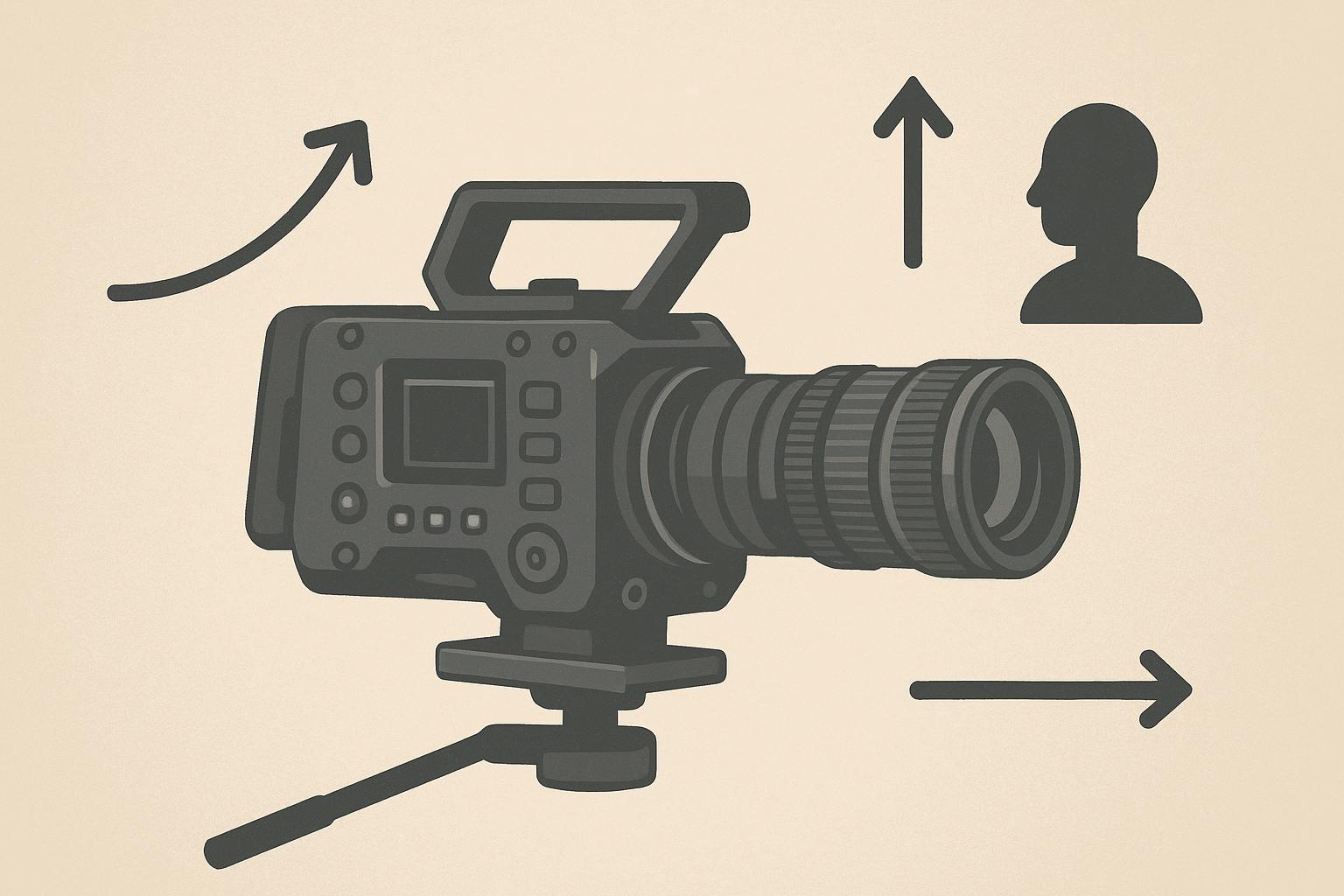
Camera movement is an important tool that cinematographers and directors use to shape how an audience sees, feels, and interacts with a film. While lighting, color, and framing all contribute to audience perception, camera movement subtly communicates character psychology and narrative tone. It also influences literal and psychological perspectives. When a camera pans, glides, zooms, or tilts, it steers the viewer’s eye and creates a physical sense of motion and space, determining whether an audience feels involved in or isolated from an action.
In addition, camera movement invites and fosters engagement. For instance, static shots may signal introspection or containment. Also, a tracking shot from the side may signal urgency, surprise, or motion. Faster and more dynamic camera movements usually create a heightened sense of alertness and emotional arousal. Conversely, slower movements facilitate calm and reflection.
Movement also influences rhythm and pacing. An audience may perceive a scene with no camera movement as heavy or static. On the other hand, a scene with too much movement may tire a viewer or draw more attention to the technique as opposed to the narrative. Studies have shown that viewers tend to experience greater sustained engagement when the camera motion aligns with the emotional tone of a scene. Essentially, effective camera movement helps to communicate character relationships, dramatic structure, and mood.
In addition, there are a variety of camera movement techniques, each evoking distinct emotional and psychological responses in an audience. With tracking or dolly shots, the camera physically moves toward or alongside a subject. This motion often evokes a sense of momentum or immersion. For instance, a tracking shot that follows a character through a corridor might communicate closeness or involvement.
Pan and tilt movements help to guide the viewer’s eyes across a scene in a natural and engaging way. When the camera pans, it moves from side to side. When it tilts, it moves up or down. These simple movements are often used to reveal new parts of a setting, follow a character, or draw attention to something that is happening off-screen. A slow pan can build suspense and anticipation, while a fast one can surprise or even startle an audience. By thoughtfully using these techniques, filmmakers can control the pace of discovery and the emotional tone of a scene.
Zooming adjusts how close or far a subject appears without physically moving the camera, allowing filmmakers to shift the focus and emotions in an instant. A zoom-in can make a moment feel more intimate, while a zoom-out can create distance or detachment. This technique can make the background seem to stretch or collapse, amplifying tension or disorientation in powerful, visual ways.
Handheld camera work adds raw and immersive energy to a film. Because the camera moves with the operator’s natural body motion, the footage feels spontaneous and realistic. This style is often used in documentaries, action scenes, or emotional dramas to create a sense of urgency and intimacy. Viewers feel as if they are right there with the characters, experiencing their fear, confusion, or excitement firsthand. When used carefully, handheld shots can heighten authenticity and emotional connection.
Crane and aerial movements give an audience a sweeping, elevated view of a story. Moving the camera vertically or across large spaces reveals scale and geography, helping to establish context or transitions between scenes. These shots can also evoke emotion. Sweeping the camera upward can suggest freedom or hope, while a shot that mimics looking down from above can make a character appear small or vulnerable.
About Andrew Laurendi
Andrew Laurendi studies filmmaking at The Los Angeles Film School, concentrating on cinematography, directing, editing, lighting, audio production, and production design. He previously pursued a BFA in film at Long Island University Post and studied communications at Nassau Community College. He served as senior class president at Iris Wolfson High School. His experience includes roles at Stew Leonard’s and Whole Foods, where he developed customer service skills. He also volunteered with HorseAbility in Old Westbury supporting riders and office operations.